iPhone 17 vs. Samsung Galaxy S26: Which Flagship Reigns Supreme?
iPhone 17 vs. Samsung Galaxy S26: Which Flagship Reigns Supreme?
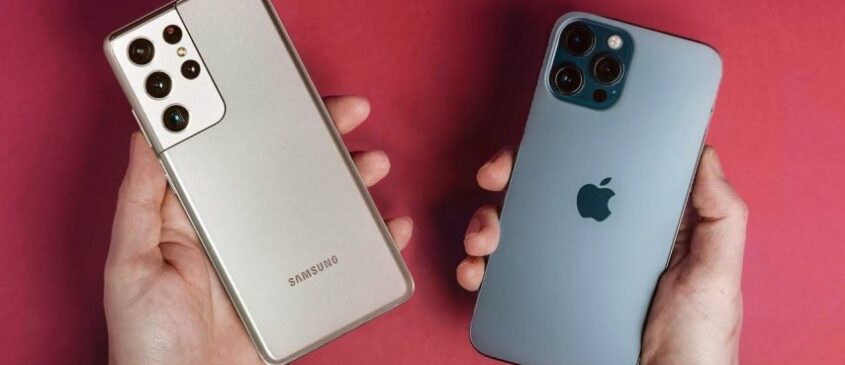
The smartphone market has always been competitive. Two of the biggest players are Apple and Samsung. Both brands have loyal fans and a reputation for quality. The iPhone 17 and Samsung Galaxy S26 represent the latest in flagship technology from these companies. But which one is better? This article compares these two smartphones across various important aspects.
Design and Build Quality
When you first look at the iPhone 17 and Samsung Galaxy S26, you’ll notice their designs are both sleek and modern. Apple continues its tradition of making phones with premium materials, using glass and aluminum. The iPhone 17 has a minimalist design that appeals to many users. It feels solid in hand and gives a sense of luxury.
Would you like to see this content of ours Trove : Reeling in the Stars!
On the other hand, the Samsung Galaxy S26 also uses high-quality materials. It features a glass back with a metal frame, which adds durability. Samsung has introduced curved edges for an ergonomic feel, making it easy to hold. The design is eye-catching with vibrant color options, attracting users who prefer a more dynamic look.
Sizes and Dimensions
The size of a smartphone often affects usability. The iPhone 17 has a display that measures around 6.1 inches, while the Galaxy S26 boasts a slightly larger screen at approximately 6.4 inches. Both devices offer a high screen-to-body ratio, maximizing display area while keeping overall size manageable.
Weight is another factor to consider. The iPhone 17 weighs about 174 grams, while the S26 is approximately 200 grams. Users who prefer lighter devices may prefer the iPhone, but those who appreciate a more substantial feel might lean toward the Galaxy.
Display Quality
The display quality plays a crucial role in user experience. The iPhone 17 features Apple’s Super Retina XDR display technology. This provides vivid colors, deep blacks, and excellent brightness levels, making it suitable for viewing in various lighting conditions.
The Samsung Galaxy S26 uses Dynamic AMOLED technology, known for its stunning visuals and vibrant colors. It also supports HDR10+, enhancing video playback quality significantly. Both devices offer high resolutions, ensuring crisp images whether you’re browsing photos or watching videos.
Refresh Rate
Another aspect worth noting is refresh rate. The iPhone 17 comes with a standard refresh rate of 60Hz. In contrast, the Galaxy S26 supports a higher refresh rate of 120Hz. This means smoother scrolling and better responsiveness when interacting with apps and games on the S26.
Camera Performance
Camera capabilities can often sway buyers one way or another. The iPhone 17 includes advanced camera systems that focus on color accuracy and realistic photo reproduction. Its dual-camera setup features improvements in low-light performance and computational photography features like Night mode.
The Samsung Galaxy S26 offers impressive camera hardware as well, featuring a triple-camera setup with wide, ultra-wide, and telephoto lenses. Samsung’s cameras excel in versatility, allowing users to capture various types of shots easily. Enhanced night photography modes make it suitable for low-light conditions as well.
Video Capture
For video enthusiasts, both phones offer great recording options. The iPhone 17 supports up to 4K video recording at 60 frames per second (fps), along with advanced stabilization features for smooth footage. Meanwhile, the Galaxy S26 also supports 4K recording at similar fps rates but includes additional features like Super Steady mode for even better video stabilization.
Performance and Software
Performance is critical for any smartphone user. The iPhone 17 is powered by Apple’s A17 chip, which is highly efficient and offers outstanding performance for gaming and multitasking. Users will find that apps launch quickly and run smoothly.
The Samsung Galaxy S26 is equipped with the latest Snapdragon processor (or Exynos in some regions), providing fast performance as well. Multitasking is seamless, thanks to ample RAM that allows for running multiple applications without lag.
Operating Systems
Both devices run different operating systems: iOS for the iPhone and Android for the Galaxy S26. Each system has its own set of advantages. iOS is known for its user-friendly interface, regular updates, and strong security features. On the other hand, Android offers greater customization options, allowing users to tailor their experience.
Battery Life and Charging
Battery life can be a deciding factor when choosing between smartphones. The iPhone 17 typically lasts all day with regular use due to efficient power management in its A17 chip paired with software optimization from iOS.
The Samsung Galaxy S26 also provides solid battery life but may vary based on usage patterns and settings due to its larger display demanding more power. Fast charging capabilities are present in both models; however, Samsung often leads in offering faster charging speeds compared to Apple’s solutions.
Wireless Charging
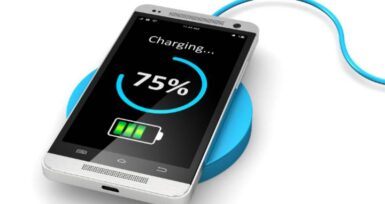
Both phones support wireless charging as well as reverse wireless charging on the Galaxy S26, allowing users to charge other devices using their phone’s battery power—a feature that can be quite handy in certain situations.
Pricing and Availability
Pricing is an essential factor when choosing between these two flagship phones. The iPhone 17 starts at a competitive price point typical of Apple products but can increase significantly based on storage options chosen by consumers.
The Samsung Galaxy S26 generally offers a comparable starting price but may provide more options at various tiers depending on storage configurations or special editions available in different markets.
Carrier Options
Both phones are available through major carriers as well as unlocked options directly from their respective manufacturers’ websites. Users should check carrier compatibility depending on their region before making a purchase decision.
Conclusion
The choice between the iPhone 17 and Samsung Galaxy S26 largely depends on user preferences regarding design, software ecosystem, camera needs, and overall brand loyalty. Both smartphones bring unique strengths to the table.
If you prioritize design quality and smooth performance within Apple’s ecosystem, the iPhone 17 is an excellent choice. If you prefer customization options along with versatile camera capabilities within Android’s environment, then the Galaxy S26 may be more appealing.
No matter which flagship you choose, both devices promise cutting-edge technology that caters to diverse user needs today.
Frequently Asked Questions
What are the key differences between iPhone 17 and Samsung Galaxy S26?
The main differences include design aesthetics, camera setups (iPhone focuses on color accuracy while Samsung offers versatility), operating systems (iOS vs Android), performance chips (A17 vs Snapdragon/Exynos), and battery life management strategies.
Which phone has better battery life?
Generally speaking, both devices offer good battery life; however, actual performance can vary based on usage habits and settings used by each individual user.
Can I use my old accessories with these new models?
If you have older accessories like chargers or cases designed specifically for previous models of either brand (iPhones or Galaxies), check compatibility before purchasing new accessories since design changes occur frequently across generations.
Are there any special features exclusive to either phone?
The iPhone offers features like AirDrop and seamless integration across Apple products while Samsung includes advanced multitasking capabilities along with DeX mode that allows connecting your phone like a desktop computer.
How do they compare in terms of software updates?
The iPhone typically receives longer support from Apple regarding software updates than most Android manufacturers provide; however, Samsung has improved its update policy significantly over recent years offering longer support than before too.