Web 3.0 Explained: What It Is and Why It Matters
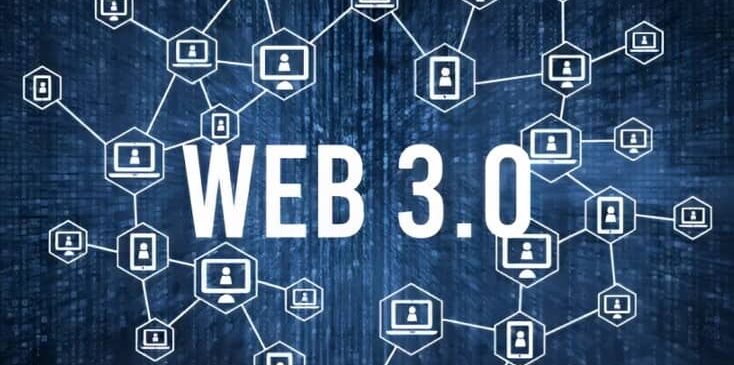
Web 3.0 is a term that often pops up in discussions about the future of the internet. But what exactly does it mean, and why should you care? In this article, we’ll break down the concept of Web 3.0, explain its key features, and discuss its potential impact on technology and everyday life.
What Is Web 3.0?
Web 3.0 refers to the next generation of the internet, where users have more control over their data and online interactions. Unlike the current web (Web 2.0), which is dominated by centralized platforms, Web 3.0 aims to decentralize the internet using blockchain technology and peer-to-peer networks.
The idea is to create an internet where data is not stored on central servers but rather distributed across a network of nodes. This decentralization offers increased privacy, security, and user empowerment. Web 3.0 is often associated with technologies like blockchain, cryptocurrencies, decentralized applications (dApps), and smart contracts.
By shifting control from centralized entities to individuals, Web 3.0 promises to reshape how we interact online. This new internet aims to address issues like data privacy concerns and monopolistic control by tech giants.
Key Features of Web 3.0
Decentralization
Decentralization is one of the foundational elements of Web 3.0. In a decentralized web, information and resources are distributed across a network rather than being stored in a single location. This means no single entity has complete control over data or content.
This feature enhances security by reducing the risk of data breaches that are common with centralized databases. It also empowers users by giving them more control over their own information. For instance, users can choose who can access their data and for what purpose.
Blockchain Technology
Blockchain plays a crucial role in enabling Web 3.0’s decentralized framework. It provides a secure and transparent way to record transactions and store data across multiple locations.
This technology ensures that once information is recorded, it cannot be altered without consensus from the network participants. Blockchain’s immutability makes it ideal for applications requiring high security and trust, such as financial services or identity verification.
Enhanced Privacy
Privacy is a major concern in today’s digital world, and Web 3.0 aims to address this issue head-on. By leveraging decentralized networks and encryption technologies, users can have greater control over their personal data.
This shift in data ownership means that users can decide who can access their information and under what conditions. Enhanced privacy measures are expected to reduce unauthorized data collection and misuse by third parties.
The Impact of Web 3.0 on Different Sectors
Finance
The financial sector is likely to see significant changes with the advent of Web 3.0 technologies. Decentralized finance (DeFi) platforms are already using blockchain technology to offer financial services without traditional intermediaries like banks.
These platforms enable users to lend, borrow, and trade assets directly with each other using smart contracts that execute transactions automatically when certain conditions are met. This approach can reduce costs, increase accessibility to financial services, and enhance transparency for all parties involved.
Social Media
Social media platforms could also be transformed by Web 3.0 principles. Currently, large tech companies hold vast amounts of user data that they monetize through advertising.
With Web 3.0, social media can become more user-centric by allowing individuals to own their content and control how it’s shared or monetized. Decentralized social networks could offer users incentives for creating content through token-based reward systems.
The Challenges Facing Web 3.0 Adoption
Scalability Issues
A major challenge facing Web 3.0 is scalability—handling large volumes of transactions efficiently remains difficult for many blockchain networks today.
While decentralized systems offer enhanced security benefits, they often require more computational resources than traditional centralized counterparts do—resulting in slower processing times for high-demand applications like payment processing or gaming experiences involving complex interactions between players worldwide.
User Experience
The complexity involved in using decentralized applications may deter widespread adoption among non-technical audiences unfamiliar with concepts like public/private keys or cryptocurrency wallets required for accessing these services safely online today.
Simplifying user interfaces while maintaining robust security measures will be essential if we want broader participation from diverse communities around globe interested exploring benefits offered by emerging technologies associated with next evolution our beloved World Wide Web itself!
The Future of Web 3.0
The future looks promising as developers continue innovating ways harness power behind decentralized protocols improving upon existing infrastructure supporting various industries worldwide today! As more people become aware potential benefits offered through adoption emerging technologies—such as increased privacy protections reduced reliance upon centralized authorities controlling flow information across digital landscape—we will likely witness even greater interest exploring possibilities unlocked within realm known simply “Web Three Point Oh.”
The road ahead may prove challenging due inherent complexities involved building entirely new ecosystems capable supporting diverse range activities currently reliant upon legacy systems established decades ago during infancy stages commercial Internet development process itself—but exciting nonetheless considering potential positive impact could have lives countless individuals seeking reclaim autonomy over personal digital identities well beyond current limitations imposed traditional models governing online interactions present day society at large!
Frequently Asked Questions
What distinguishes Web 2.0 from Web 3.0?
Web 2.0 focuses on user-generated content hosted on centralized platforms like social media sites while Web 3 emphasizes decentralization giving users greater control over data through technologies such as blockchain peer-to-peer networking solutions instead relying upon single entities manage entire ecosystems themselves!
How does blockchain enable Web 3?
Blockchain allows decentralized storage verification transactions making possible create secure transparent environments where users interact directly without intermediaries involved process ensuring integrity accuracy maintained throughout every interaction taking place within system itself!
Can anyone use decentralized applications?
Yes anyone technically savvy enough navigate intricacies associated setting up managing cryptocurrency wallets understanding basic principles behind smart contracts should able access utilize various dApps available marketplace today though effort ease entry points needed facilitate broader accessibility among general public moving forward future iterations these innovative solutions continue evolve overtime addressing challenges faced adoption rates currently observed globally speaking overall landscape continues mature rapidly alongside technological advancements driving growth industry sector wide scale basis ongoing basis into foreseeable future indefinitely so long interest remains strong among stakeholders participating actively therein ongoing capacity throughout respective roles therein respectively accordingly moving forward indefinitely onwards forevermore perpetually ad infinitum eternally everlastingly everlasting evermore henceforth henceforward hereafter onwards onwardly forthwith forwardly forthcome forthcame forthbrings forthbringeth forthbrought forthbringer forthcomer forthdoing forthrunning forthgoing forthdriving forthgathering!